
My mum passed away from Alzheimer’s not long ago. Since then, quite a few people have asked me some version of the same question — some navigating a new diagnosis in their own family, others noticing changes in a loved one and unsure how to even go about getting a diagnosis others still trying to work out whether it’s time to seek one. “What do we actually do now?” This guide is my attempt to answer that properly — the practical steps, and the parts nobody warns you about. I truly hope it helps. Much love and appreciation.
This guide will keep growing. If there’s something missing that would have helped you, I’d genuinely like to hear about it — reach out anytime.


Getting started Wherever you are in this — whether you’ve just received a diagnosis or you’re further down the road — start with where you actually are, not where a guide assumes you should be. Tap a stage below to open it up. Each guide is tagged so you can tell at a glance who it’s written for — but most people find something useful in both. |
What the tags mean
|
| Where are you at? |
These two words get used interchangeably a lot, but they’re not quite the same thing — and it’s worth knowing the difference, because it affects what to expect and where to look for information. Dementia is the umbrella term Dementia isn’t a single disease — it’s a general term for a decline in memory, thinking, or reasoning severe enough to affect daily life. Several different underlying conditions can cause it, and someone’s specific diagnosis is usually one of these conditions, not “dementia” on its own. Alzheimer’s is the most common cause Alzheimer’s disease is one specific condition that causes dementia, and it’s the most common one — accounting for somewhere around 60-70% of cases. Other common causes include vascular dementia (linked to blood flow to the brain, often after strokes), Lewy body dementia, frontotemporal dementia, and mixed dementia, which is a combination of more than one type at once. Why the type matters Different types can progress differently, affect different abilities first (memory versus language versus behaviour and personality, for example), and sometimes respond differently to medication. It’s worth knowing which type you or your family member has been diagnosed with, and asking the specialist to explain what that means in practice. Does the information on this site apply either way? Mostly, yes. Most of what’s here — coping with a diagnosis, telling people, getting affairs in order, home safety, communication strategies, respite, and so on — is general to dementia as a whole, regardless of the specific type. Where something is Alzheimer’s-specific or type-specific, we’ll say so explicitly; otherwise, assume it applies broadly. A diagnosis brings a lot of information at once, and it’s normal to leave the appointment remembering very little of it. There’s no set order you need to follow from here — but a few things are worth thinking about in the weeks that follow, at whatever pace feels manageable. In the first few weeks Ask your GP or specialist for the diagnosis in writing, along with the specific type if known — this matters for accessing supports later. It’s worth asking who your ongoing point of contact will be, since dementia care often involves several different services over time and having one person to call helps. Legal and financial matters, while you can make these decisions yourself This is easy to put off, but it’s one of the few things that genuinely needs to happen earlier rather than later — an enduring power of attorney and an advance care directive can only be set up while you’re able to make and communicate these decisions yourself. Doing this early isn’t a sign that anything is wrong right now; it’s simply making sure your own wishes are the ones that get followed. Support and funding In Australia, a dementia diagnosis on its own doesn’t automatically grant access to the NDIS — eligibility depends on age and how the condition affects daily function, and younger-onset dementia is assessed differently to a diagnosis later in life. My Aged Care is generally the starting point for anyone over 65. It’s worth having this conversation with your GP or a case manager rather than trying to navigate it alone. Yourself, first Amid the practical steps, it’s easy for how you’re actually doing to get lost. Give yourself room to feel whatever comes up — shock, relief at finally having an answer, fear, or all of it at once. None of it needs to be resolved immediately, and there’s no timeline you’re supposed to be keeping to. Finding out someone you love has been diagnosed with dementia can bring on its own wave of grief, fear, and uncertainty — even though the person is still very much here. It’s common to feel this and then feel guilty for feeling it, as if your reaction is somehow taking attention away from theirs. It isn’t. You’re allowed your own response to this too. Follow their lead where you can If they’re able to make decisions about their own care and how much support they want, let them lead as much as possible, for as long as possible. Taking over too early — even with good intentions — can feel like a loss of independence layered on top of the diagnosis itself. You don’t need to have answers yet Nobody expects you to become an expert overnight. Learning happens gradually, often through trial and error, and that’s normal. Look after yourself in this too — supporting someone through a progressive diagnosis is a long road, and burning out early helps no one, including them. There isn’t a right way to feel about this. Some people feel a strange sense of relief at finally having a name for changes they’d already noticed. Others feel shock, grief, anger, or a kind of numbness that takes a while to lift. All of these are normal responses, and they can shift from day to day rather than settling into one steady feeling. You’re allowed to grieve this A dementia diagnosis often brings a form of grief before anything has actually been lost yet — grief for the future you’d pictured, or for the version of yourself you’re worried about losing. That grief is real and doesn’t need to wait for symptoms to worsen before it’s valid. Talking to someone helps A counsellor or psychologist experienced with chronic or progressive diagnoses can give you somewhere to put these feelings that isn’t on your family. Dementia-specific support groups — many run by Dementia Australia — also connect you with others who understand exactly what you’re facing, without needing to explain it from scratch. You’re still you A diagnosis describes a condition, not your entire identity. Many people continue doing the things that matter to them — work, hobbies, relationships — for a long time afterward. Try not to let the diagnosis rewrite who you are before it’s actually changed anything. There’s no requirement to tell everyone at once, or even to tell everyone at all. It’s completely reasonable to take this at your own pace and decide who needs to know now versus later. Who to tell first Immediate family and anyone who’ll be part of day-to-day support usually need to know early, simply so they can help. Beyond that, there’s no set order — some people prefer to tell close friends before extended family, others do the opposite. Go with what feels right for your relationships. You don’t need a script, but it can help Something simple works: “I’ve been diagnosed with [type], and I wanted you to hear it from me. I’m still working out what this means day to day, and I’ll let you know how you can help.” You’re allowed to keep it brief and revisit the conversation later. Work and employers If you’re still working, you’re not obligated to disclose a diagnosis immediately unless it affects your ability to safely do your job. If you do need workplace adjustments, disclosing earlier tends to make those conversations easier than waiting until something goes wrong. Some people find it easier for someone else — a partner or adult child — to help spread the word to a wider circle, so you’re not repeating the conversation over and over. There’s no wrong way to do this. Children usually sense when something’s changed, even if nobody’s told them directly — and an unexplained change is often more frightening than an honest, age-appropriate explanation. Keep it simple and honest For younger children: “Grandma’s brain is having trouble working the way it used to, which is why she sometimes forgets things or gets confused. It’s not because of anything you did.” Older children and teens can usually handle more detail and often appreciate being trusted with it. Prepare them for what they might see If a grandparent no longer recognises them, repeats questions, or acts differently than they remember, letting a child know this might happen — beforehand rather than in the moment — softens the shock considerably. Reassure them the relationship isn’t gone, just different. Many children can still connect meaningfully through simple shared activities — music, photos, a familiar routine — even as verbal connection becomes harder.  This is uncomfortable to think about early on, but it’s genuinely one of the few things in this process where timing actually matters. These documents only work if you’re able to make and communicate decisions yourself when you sign them — waiting means you risk losing the ability to make these choices on your own terms. Enduring power of attorney This lets you appoint someone you trust to make financial and legal decisions on your behalf if you’re ever unable to. It doesn’t take effect immediately just because you’ve signed it — you can set the terms for when it activates. Advance care directive (or enduring guardianship, depending on your state) This documents your wishes for future medical and personal care — including things like end-of-life preferences — so your family isn’t left guessing during a difficult moment. Requirements and terminology differ slightly by state, so it’s worth checking with a solicitor or your state’s public trustee office for the exact process where you live. Will If yours is out of date or doesn’t exist yet, now is a good time to sort it — for the same reason as the above. A solicitor experienced in elder law or estate planning can walk you through all three at once, which tends to be more efficient than sorting them separately. 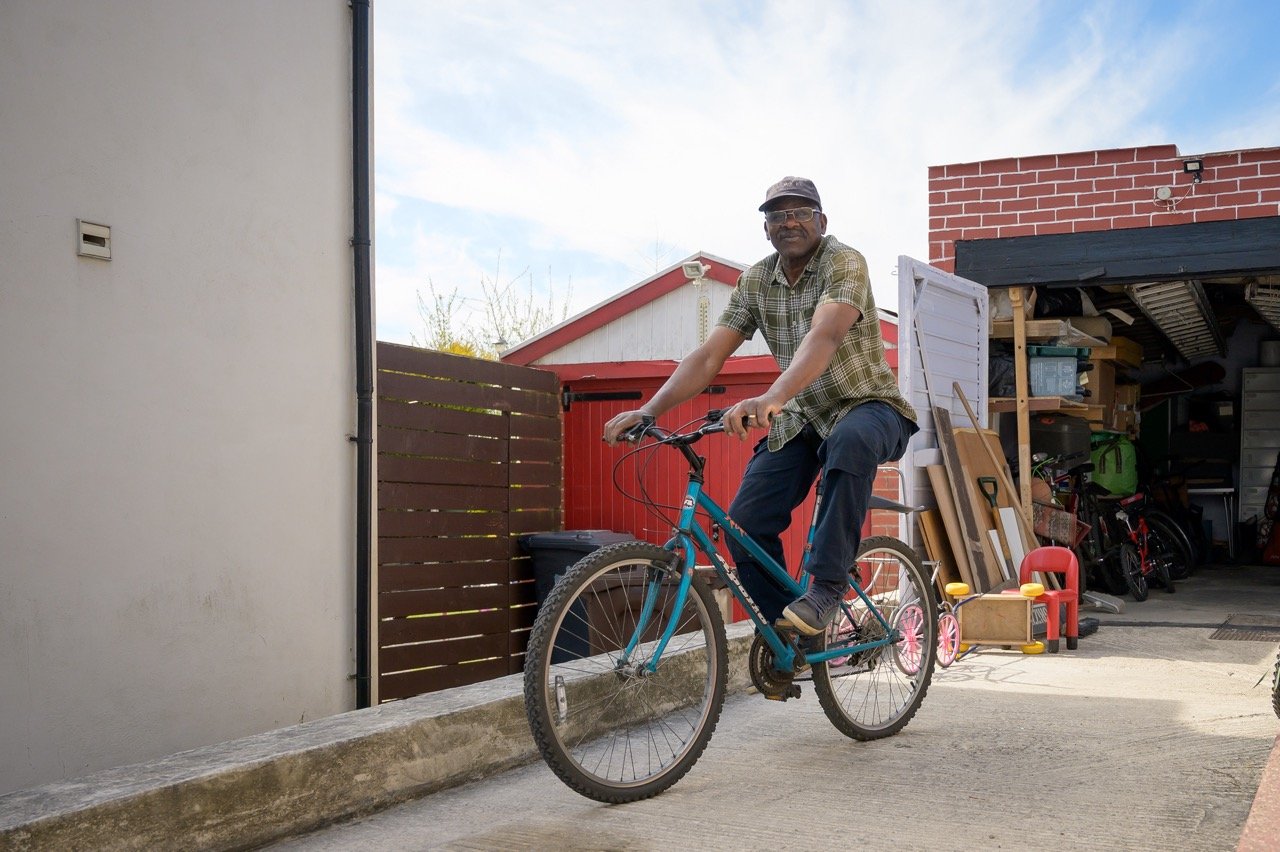 A diagnosis doesn’t automatically mean you have to stop driving straight away. Many people continue safely for some time afterward. But it does mean driving needs to be reviewed regularly rather than assumed — because the changes that affect driving safety can be gradual and aren’t always obvious from the inside. What Australian law actually requires In every Australian state and territory, you’re legally required to notify your driver licensing authority of a dementia diagnosis. This isn’t the same as losing your licence immediately — in many cases it leads to a conditional licence with periodic medical reviews, sometimes alongside an occupational therapy driving assessment. Not telling them, and continuing to drive regardless, can affect insurance validity if you’re ever in an accident. Signs worth paying attention to Getting lost on familiar routes, difficulty judging distances or gaps in traffic, slower reaction to hazards, confusion at intersections, or family members feeling anxious as a passenger are all worth raising with a GP — not as proof you need to stop, but as a reason to get an objective assessment rather than relying on how confident it still feels from behind the wheel. An occupational therapy driving assessment This is a practical, on-road evaluation, separate from the standard driving test, specifically designed to assess whether dementia-related changes affect safe driving. It gives you and your family an actual answer rather than a guess, and many people find it a relief to have the decision made on evidence rather than left as an ongoing worry for everyone. If driving does need to stop This is a genuine loss, not just a logistics problem — for a lot of people, driving is tied closely to independence and identity, and it’s worth acknowledging that rather than rushing past it. Practically, it helps to line up alternatives before the licence changes rather than after: community transport, family arrangements, or rideshare, so the change doesn’t also mean sudden isolation. 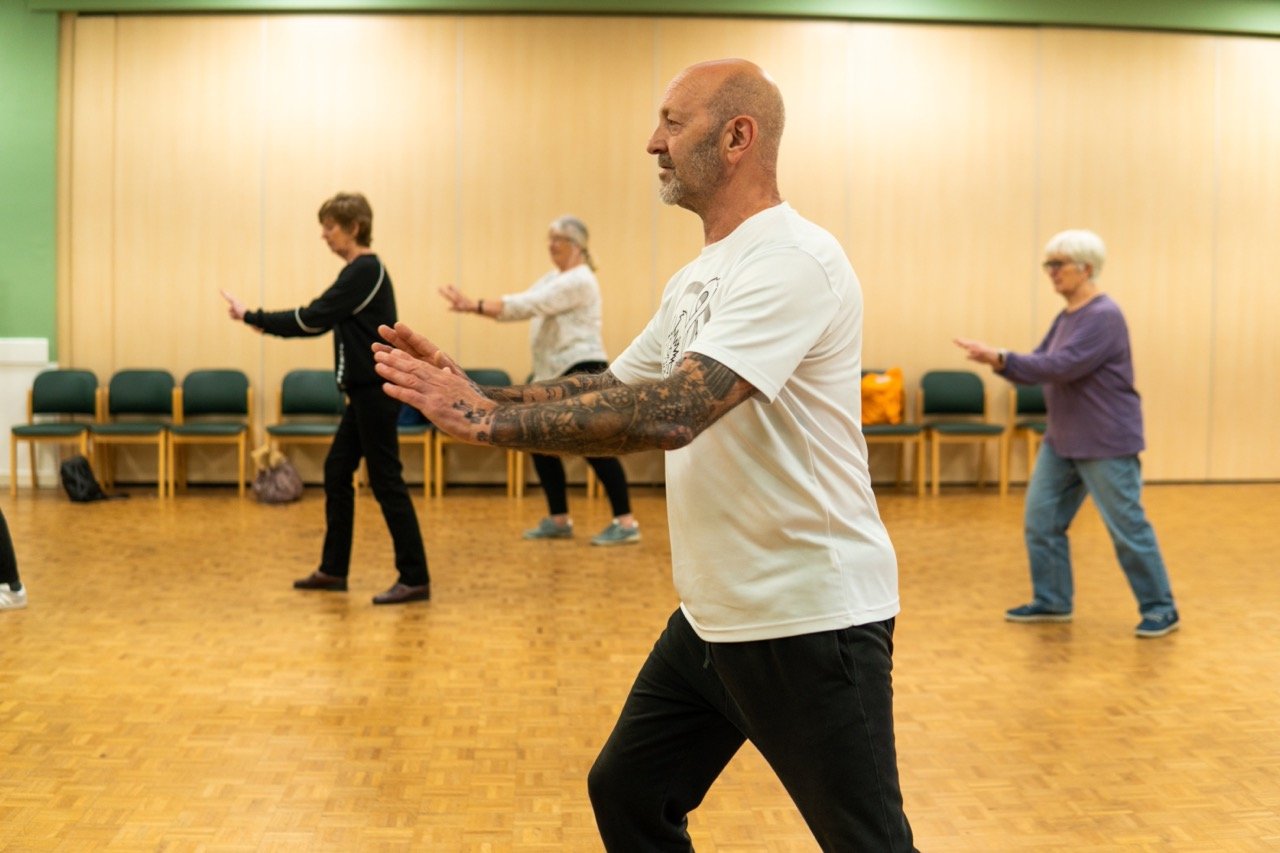 Staying socially and mentally engaged after a diagnosis isn’t just about quality of life — emerging research, including the US POINTER study, suggests that structured social engagement, physical activity, and cognitive stimulation may help support brain health over time. It’s not a cure, but it’s one of the few things genuinely within your control. Keep doing what you already enjoy Hobbies, social groups, faith communities, exercise routines — don’t assume you need to stop these because of the diagnosis. Continue for as long as they remain safe and enjoyable, adapting them if needed rather than giving them up outright. Regular movement matters Walking, swimming, or gentle group exercise classes are all good options. Physical activity is one of the more consistently supported recommendations for brain health across the research. Social contact, deliberately It’s easy for social contact to quietly shrink after a diagnosis, sometimes because friends aren’t sure how to act around you. Keeping regular catch-ups on the calendar — rather than waiting for them to happen spontaneously — helps counter this. Agitation or distress in someone with dementia is almost always communication — a response to confusion, fear, discomfort, or unmet needs, rather than deliberate difficulty. A few shifts in how you communicate can reduce how often these moments happen. Don’t correct, redirect If they say something factually wrong — the wrong year, a person who’s passed away, a place they think they’re in — correcting them head-on often causes distress without changing anything. Gently redirecting the conversation, or entering their reality rather than arguing them out of it, tends to go much better. Watch your own tone and pace People with dementia often pick up on emotional tone even when they can’t follow the words. Speaking slowly, calmly, and with a relaxed posture helps far more than the specific words you choose. One thing at a time Multiple questions or instructions at once can overwhelm. Try one simple, direct question or step, and give time for a response before moving to the next. If something does set them off, try to notice what happened just before — time of day, noise level, a specific topic — since patterns often repeat and can be avoided next time. Disagreement between siblings or family members over care decisions is extremely common, not a sign your family is uniquely dysfunctional. It often comes down to differences in proximity, capacity, guilt, or old family dynamics resurfacing under stress. Uneven caregiving load is the most common flashpoint One person often ends up doing most of the day-to-day care, sometimes by circumstance rather than choice, which can breed resentment if it’s never openly discussed. Naming this directly — rather than letting it simmer — tends to help more than avoiding the conversation. A family meeting, structured rather than emotional Setting a specific time to discuss roles, finances, and decisions — sometimes with a neutral third party like a social worker or care coordinator present — can keep things from turning into old arguments. If conflict is severe or ongoing, a family counsellor or mediator experienced in aged care decisions can help the family reach workable agreements without it falling apart under the strain. Needing a break doesn’t mean you’re failing as a carer — it’s the opposite. Sustained caregiving without rest tends to lead to burnout, which ultimately affects the quality of care you’re able to give. Respite exists precisely for this reason. What respite actually looks like It can be a few hours of in-home support, a day program, or short residential stays of several days to a couple of weeks. Which one fits depends on what you need — a regular weekly break, or a longer stretch to travel or simply rest properly. Accessing it In Australia, respite is generally accessed through My Aged Care for those over 65, or through the NDIS if the person qualifies. A case manager or GP can help you work out what you’re eligible for and get the process moving — it’s worth starting this before you’re at breaking point, since some services have waitlists. If guilt comes up when you first use it, that’s common — but taking the break doesn’t mean you love or care about them any less. As dementia progresses, changes in judgement, balance, and spatial awareness raise fall and safety risks well before mobility itself is affected. Small changes around the home, made early, often prevent bigger problems later. Common starting points Remove loose rugs and trailing cords, improve lighting (especially hallways and stairs), add grab rails in the bathroom, and secure or remove furniture with sharp corners in main walking paths. Kitchen and appliance safety Stove knob covers, automatic shut-off devices, or removing access to items that pose a risk if used unsupervised (like sharp knives, if it’s become relevant) can reduce anxiety for everyone without necessarily restricting independence more than needed. Wandering Door sensors or alarms, secured external gates, and a recent photo kept on hand can make a real difference if wandering becomes a concern. It’s worth having a plan for this before it happens rather than after. An occupational therapist can do a full home safety assessment and recommend changes specific to your home and the person’s current needs — often more useful than a generic checklist. Which system applies depends mainly on age at diagnosis, and it’s one of the more confusing parts of this whole process for most families. Under 65 at time of diagnosis Younger-onset dementia may qualify for NDIS support, assessed against how the condition affects daily functioning rather than the diagnosis alone. Applying involves an access request and functional assessment — a GP or specialist can help start this. 65 and over My Aged Care is generally the entry point, covering everything from basic in-home support through to residential care, assessed via an Aged Care Assessment. Wait times can be significant, so it’s worth starting the assessment process well before support is urgently needed. Neither system directly funds a care coordination platform or app itself Software generally isn’t a claimable category under either scheme — worth knowing upfront so it doesn’t come as a surprise if you’re looking into tools like this one. A case manager, social worker, or Dementia Australia’s support line can help translate the system’s terminology into an actual plan for your specific situation — both systems are notoriously complex to navigate alone. As dementia progresses, day-to-day care usually shifts from occasional support to something more constant — help with moving around, personal hygiene, and eventually communicating needs that can no longer be put into words easily. This stage asks more of everyone, but there are ways to make it manageable. Mobility support Falls become more likely as balance, judgement, and spatial awareness decline further. Physiotherapists and occupational therapists can assess current mobility and recommend aids (walking frames, grab rails, transfer equipment) suited to the specific stage, rather than waiting until after a fall to act. Personal hygiene and dignity Needing help with bathing, dressing, or toileting can be confronting for both of you. Keeping routines predictable, explaining each step before you do it, and preserving as much choice as possible (which shirt, which order) helps maintain a sense of dignity even as independence reduces. Communicating without words As verbal communication becomes harder, needs are often expressed through behaviour instead — restlessness can mean pain, resistance can mean fear or discomfort rather than defiance. Learning to read these non-verbal cues, and ruling out physical causes like UTIs or discomfort first, tends to be more effective than assuming behaviour is “just the dementia.” Full-time care needs are usually the point where in-home care workers, day programs, or a move to residential care start being seriously considered. None of these choices reflect on how much you care — they reflect what’s sustainable and safest for both of you, and you don’t have to work it out alone. There’s a term for what many family members experience — ambiguous grief. It’s the grief of loving someone who is physically present but who feels, in some ways, gradually less like the person you knew. It’s a real and recognised form of grief, even though nobody has died. It’s not disloyal to grieve Some family members feel guilty grieving a person who’s still alive, as if it means giving up on them. It doesn’t. Grieving changes as they happen doesn’t take away from your love or commitment — it’s simply an honest response to real loss. It can come in waves Certain moments — no longer being recognised, a missed milestone, a role reversal — often trigger fresh grief even years into the diagnosis. This isn’t a sign you haven’t coped well; it’s part of how ambiguous grief works. Support groups specifically for dementia carers (many through Dementia Australia) are often more helpful here than general grief counselling, since the people in them are living through the exact same kind of loss. This is one of the hardest stages to prepare for, and there’s no way to make it painless — but having some idea of what to expect, and what support exists, can make it a little less frightening to navigate when the time comes. Palliative and comfort-focused care At this stage, care usually shifts from managing the condition to focusing on comfort — pain relief, ease of breathing, and quality time rather than active treatment. Palliative care teams (available through hospitals, aged care, or in-home services) specialise in exactly this, and can be involved earlier than people often expect, not just in the final days. Difficult conversations, while you still can If advance care directives haven’t been done, this becomes harder to organise now. Where possible, revisit what matters most to them — comfort measures, where they’d prefer to be, who they want present — so decisions in the final days reflect their wishes rather than guesswork under pressure. What the final stage can look like Reduced appetite, increased sleep, changes in breathing, and periods of confusion or unresponsiveness are common and don’t necessarily mean pain is present. Hospice or palliative teams can talk you through what’s normal so unfamiliar changes feel less alarming. Saying goodbye There’s no right way to do this. Some people find comfort in talking, playing familiar music, or simply being present without words. Hearing is often one of the last senses to go, so speaking to them, even without response, can still matter. Grief doesn’t wait for a “right time” to begin, and for many carers a lot of the grieving has already happened gradually, long before this point. Bereavement support through palliative care services or Dementia Australia can help in the weeks that follow, when the structure of caregiving suddenly disappears. |

Important information
Alzi provides general information and care coordination tools to support families and carers. It is not a substitute for professional medical advice, diagnosis, or treatment, and nothing on this site or within the platform is intended to diagnose, treat, cure, or prevent any disease or medical condition.
Always consult a qualified health professional, such as a GP or specialist, with any questions or concerns about dementia, cognitive changes, or any other medical condition. If you are concerned about symptoms in yourself or someone you care for, please seek medical advice promptly.