Simple, evidence-based habits — grounded in a Mediterranean and MIND way of eating — to support steady energy, comfortable digestion, and long-term wellbeing.
The world of nutrition is full of myths — from “carbohydrates make you fat”, to “fat is the enemy”, to claims about strict limits on how much protein your body can use in a single meal. It’s worth dispelling these early: proteins, fats, and carbohydrates aren’t dietary heroes or villains. They’re simply nutrients, and everyone’s needs differ depending on their health goals, life stage, and individual circumstances.
In our how-to and check-in sections, we focus on building sustainable habits: a positive, practical mindset, food quality, hydration, regular eating routines, and staying socially connected — all central to getting the most out of a Mediterranean/MIND way of eating, kept as simple as possible.
Four habits to build on
Get these right most of the time, and everything else becomes easier. Tap each one for more detail.
What the MIND diet specifically emphasises
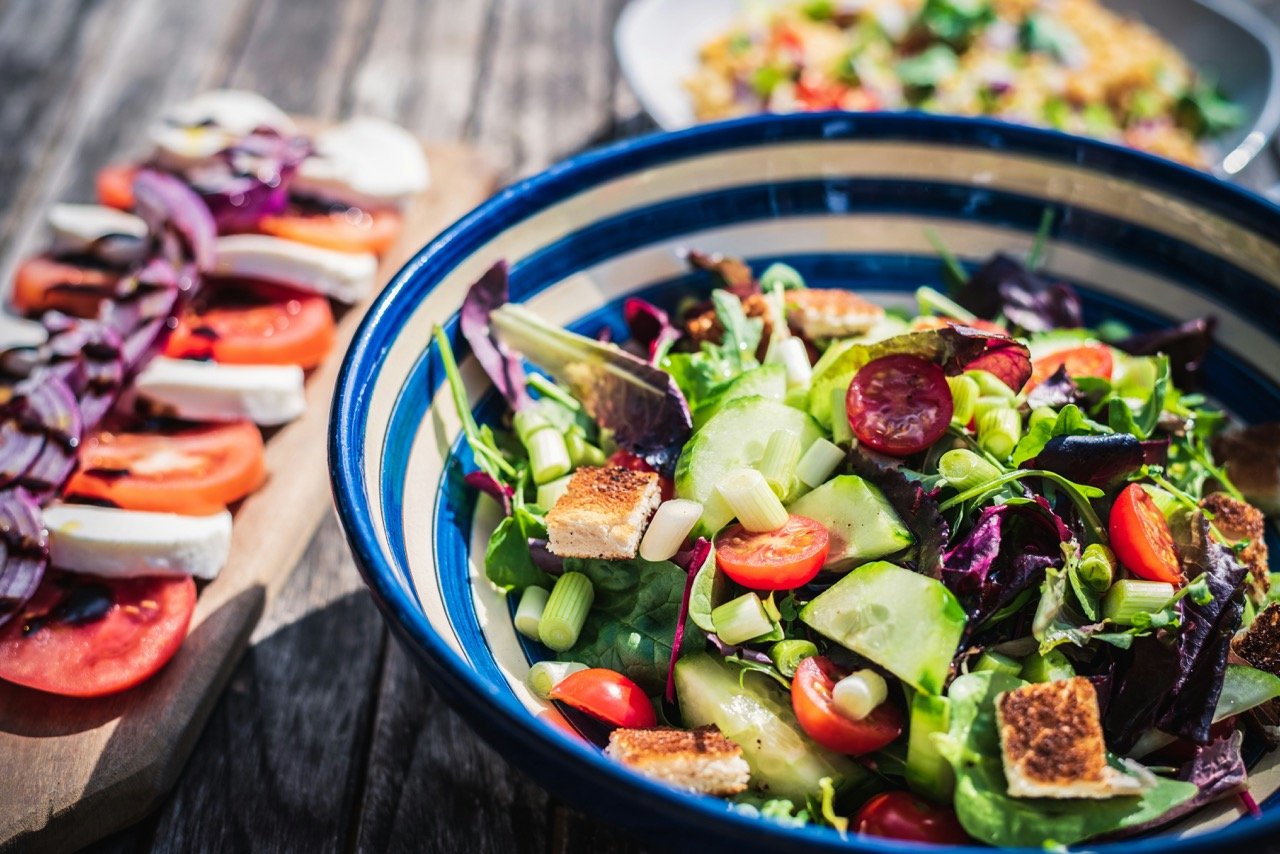
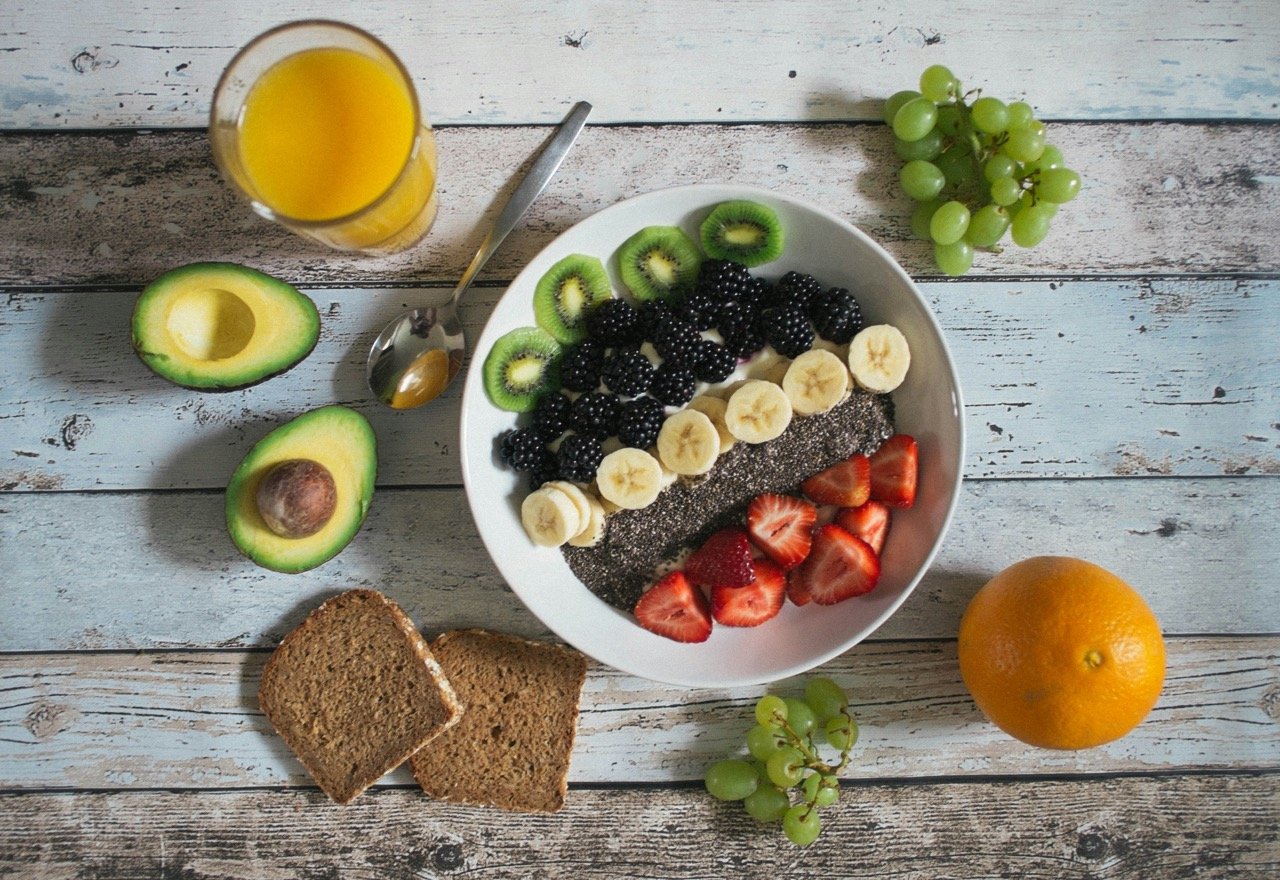
The MIND diet — a blend of Mediterranean and DASH eating patterns developed with brain health in mind — highlights leafy green vegetables, berries, nuts, olive oil, wholegrains, fish, poultry, and beans as the foods to prioritise, while keeping red meat, butter and margarine, cheese, pastries and sweets, and fried or fast food to occasional rather than everyday amounts.
Berries and leafy greens get special mention
Of all the food groups studied, leafy greens (spinach, kale, silverbeet) and berries are the two most consistently linked to cognitive benefit in the research behind the MIND diet — aim for leafy greens most days and berries a few times a week if you can.
Small swaps beat strict rules
Swapping butter for olive oil, adding a handful of nuts as a snack instead of packaged crackers, or choosing fish over red meat once or twice a week tend to stick far better than an all-or-nothing overhaul. Aim for direction, not perfection.

Why it matters more with age
The sense of thirst tends to become less reliable as people get older, meaning it’s possible to be meaningfully dehydrated before feeling thirsty at all. Even mild dehydration has been linked to short-term confusion, fatigue, and reduced concentration — effects that can look similar to, and worsen, existing cognitive symptoms.
Roughly how much
General guidance is around 6-8 cups (1.5-2 litres) of fluid a day for most adults, though needs vary with body size, activity, climate, and medications. Water is the default, but tea, milk, and water-rich foods like soup and fruit all count toward the total.
Making it easier to keep up
Keeping a filled glass or bottle somewhere visible, drinking a glass alongside each meal and medication round, and using a favourite cup can all help — particularly for anyone who forgets to drink rather than deliberately avoiding it. Pale yellow urine is a reasonable everyday sign that intake is on track.
Why timing matters, not just content
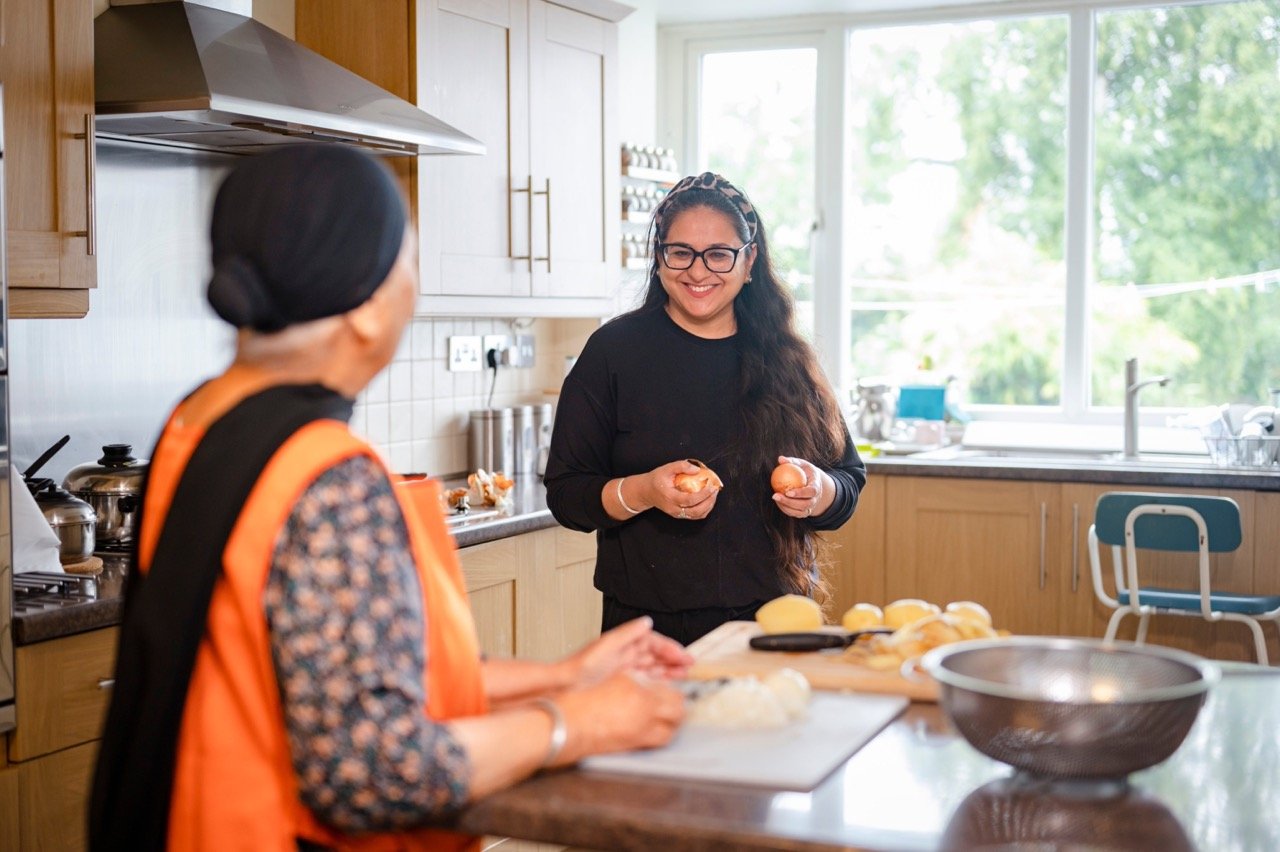
Long gaps between meals can lead to energy dips, irritability, and overeating later in the day. A steady rhythm — roughly the same three meal windows each day, even if the exact clock time shifts a little — tends to smooth out energy and appetite far more than skipping meals or eating irregularly.
Especially useful where memory is a factor
For someone living with dementia, a predictable routine reduces the number of decisions and reminders needed throughout the day, and can help prevent missed meals — which are easy to overlook when hunger cues themselves become less reliable.
Anchoring meals to existing daily habits — after waking, alongside a favourite show, before a walk — tends to work better than relying on remembering the clock.

It works alongside eating, exercise, and mental activity
Social connection isn’t really a nutrition habit on its own — it’s one of several modifiable factors studied together in trials like the US POINTER study, alongside diet, physical activity, and mentally stimulating activities like puzzles, cards, or learning something new. These tend to reinforce each other: someone who’s socially engaged is more likely to also eat well, stay active, and keep their mind occupied, and vice versa.
Shared meals do double duty
One place this overlaps directly with food is at the table — shared meals tend to support both better food intake and a more consistent routine, since someone eating alone is more likely to skip meals or eat less overall than someone eating with company.
Simple, low-effort ways to build it in
A standing weekly phone call, a shared meal once a week with family or a neighbour, a regular group activity — a walking group, a faith community, a hobby class — or a standing family game or puzzle night. Frequency and consistency matter more than the scale of the activity.
None of this needs to be complicated. Small, consistent habits — good food quality, enough water, a steady routine, and staying connected — do more for long-term wellbeing than any strict rule ever will.